

7 Surprising Signs Your Nervous System Is Finally Calming Down
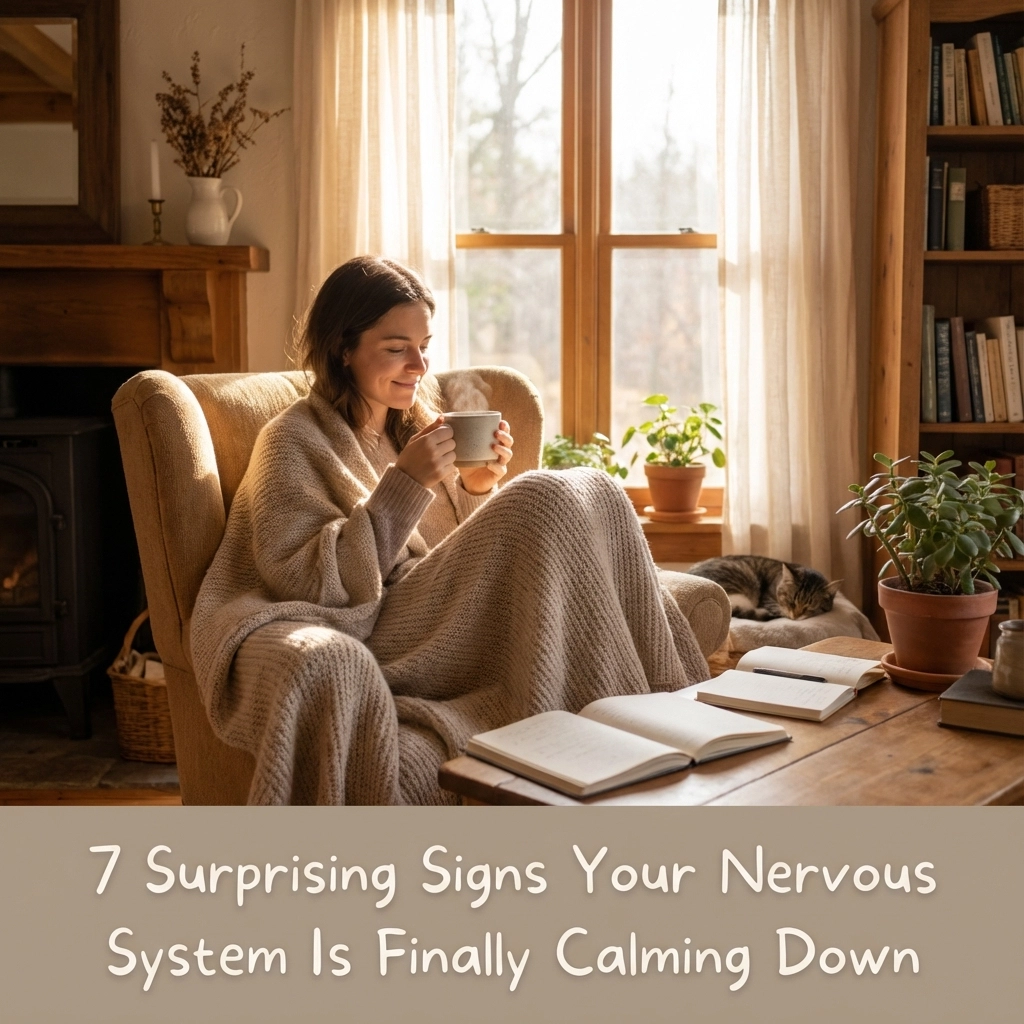
After months or years of feeling like your internal alarm system won't turn off, something shifts. The constant buzz of anxiety starts to fade. Your shoulders drop away from your ears. Sleep becomes deeper, more restorative.
But here's the thing, when your nervous system finally starts calming down, the signs aren't always obvious. In fact, some of them might surprise you.
If you've been working on your mental health through mindfulness practices, therapy, or other healing approaches, you might be wondering: Is this actually working? Sometimes the most significant changes happen so gradually that we miss them entirely.
1. You Actually Feel Bored (And It's Not Terrifying)
Remember when stillness felt impossible? When sitting quietly meant your mind would race with worst-case scenarios or your body would feel restless and agitated?
Now you find yourself... doing nothing. Maybe you're sitting on your couch without reaching for your phone. Perhaps you're staring out the window, not because you're dissociating, but because you're genuinely present and calm.
This kind of boredom is actually a good sign. It means your nervous system isn't constantly scanning for threats or seeking stimulation to manage overwhelm.
Journal Prompt: What does stillness feel like in my body right now? When was the last time I felt genuinely calm without needing to do anything?

2. Your Sleep Gets Weird Before It Gets Better
As your nervous system regulation improves, your sleep patterns might temporarily go through some changes. You might find yourself dreaming more vividly, waking up at different times, or even feeling more tired initially.
This isn't a malfunction, it's actually your body catching up on deep rest it's been missing. When you've been in chronic fight-or-flight mode, your system hasn't had the luxury of proper recovery cycles. Now that it feels safe enough to truly rest, it's making up for lost time.
You might notice you're sleeping longer, or that the quality of your sleep feels different, deeper, more restorative, even if it feels strange at first.
Simple Practice: Keep a simple sleep log for two weeks. Note when you go to bed, wake up, and how rested you feel (scale of 1-10). Look for patterns rather than perfect nights.
3. Small Setbacks Don't Derail Everything
Here's a thought provoking shift: that bad day at work doesn't spiral into a week-long mental health crisis. A difficult conversation with a friend doesn't leave you questioning everything about yourself for days.
When your nervous system is settling, you develop what researchers call "resilience", but it's more practical than that sounds. It means when something stressful happens, you feel it, process it, and then... move on. Your baseline returns more quickly.
This doesn't mean you become emotionless or that nothing affects you. It means you're not stuck in excessive emotional states that feel impossible to shake.
4. You Start Noticing Pleasure in Small Things
A regulated nervous system has bandwidth for pleasure, something that gets shut down when you're in survival mode. You might find yourself actually tasting your coffee, feeling grateful for warm sunlight on your skin, or genuinely enjoying a conversation without your mind wandering to your to-do list.
This capacity for simple pleasure is one of the most overlooked signs of nervous system healing. When you're not constantly on guard, you can be present enough to notice what feels good.
Journal Prompt: What small moments brought me genuine pleasure this week? How did my body feel during those experiences?

5. Your Reasoning Becomes More Clear
Brain fog lifts. Decision-making becomes less overwhelming. You can actually think through problems without feeling like your mind is swimming through mud.
When your nervous system is calmed down, cognitive functions that were compromised during chronic stress start coming back online. You might notice you can remember things better, focus for longer periods, or solve problems more creatively.
This mental clarity often comes back gradually, so you might not notice it until someone points it out or you realize you've been handling complex situations with more ease.
6. Physical Symptoms You Didn't Connect to Stress Start Improving
Digestive issues, headaches, muscle tension, even menstrual irregularities, these can all be connected to nervous system dysregulation. As your system calms down, you might notice these seemingly unrelated symptoms improving.
Your jaw might feel less clenched. Your shoulders might not live permanently up by your ears. That chronic stomach tension might ease up.
The body keeps the score, as they say, and when your nervous system feels safer, your body can finally redirect energy from protection to healing and maintenance.
Simple Practice: Do a daily body scan. Spend two minutes checking in with different parts of your body, your jaw, shoulders, stomach, hands. Notice what feels tense and what feels relaxed, without trying to change anything.

7. You Feel More Like Yourself Again
Maybe the most surprising sign is this subtle sense of coming home to yourself. You start recognizing patterns, preferences, and responses that feel authentic rather than reactive.
You might find yourself saying no to things that don't feel right, not because you're being defensive, but because you have the clarity to know what works for you. Or saying yes to opportunities that genuinely excite you, rather than just surviving each day.
This isn't about becoming a completely different person. It's about having the nervous system capacity to be who you actually are, rather than who you need to be to stay safe.
Moving Forward: The Art of Gentle Noticing
As your nervous system continues its healing journey, remember that progress isn't always linear. Some days will feel clearer than others. Some weeks you'll feel like you're moving backward.
The craft of nervous system regulation is partly about learning to notice these subtle signs of improvement without grasping onto them too tightly. It's vulnerable work: allowing yourself to believe that things can actually get better.
Final Journal Prompt: How do I want to honor the progress I've already made? What would it look like to trust that my system is learning how to feel safe?
If you're curious about exploring nervous system regulation further, particularly around themes of safety and pressure, you might find our previous post on redefining safety helpful.
Remember: healing isn't about reaching some perfect state of calm. It's about developing the flexibility to move through life's ups and downs with more ease, presence, and authentic response rather than pure reaction.
Your nervous system is incredibly intelligent. Trust that it knows how to heal when given the right conditions. Sometimes the most profound changes happen so quietly we almost miss them: until one day we realize we've been breathing easier for weeks.